


Guinea's Junta Chief Secures Landslide Victory, Amidst Controversy and Condemnation
- by Muhammed, Abuja, RNG247
- about 1 months ago
- 172 views
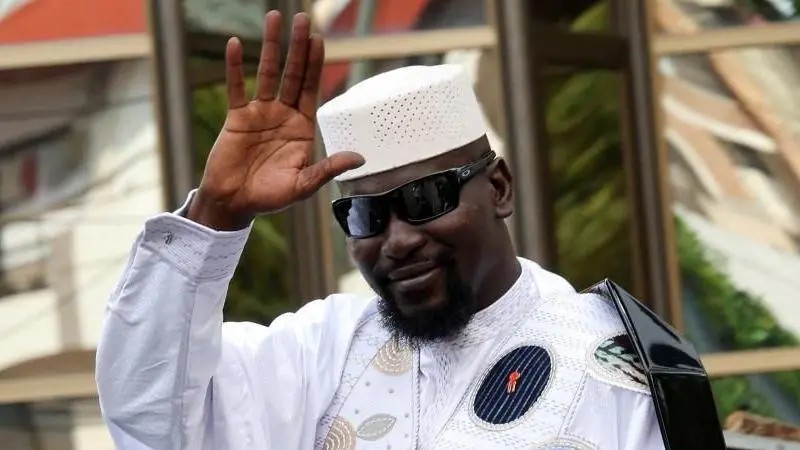
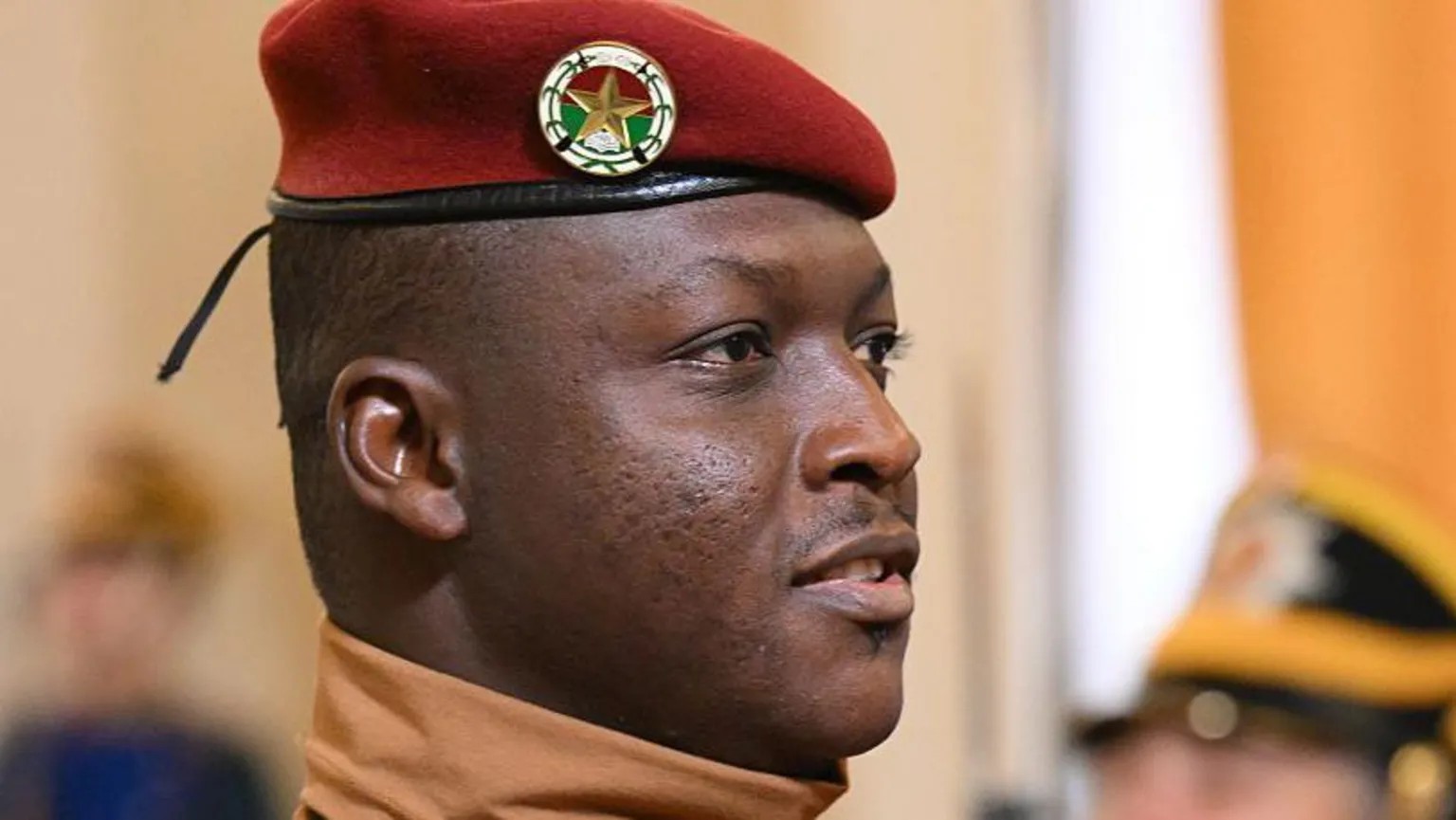
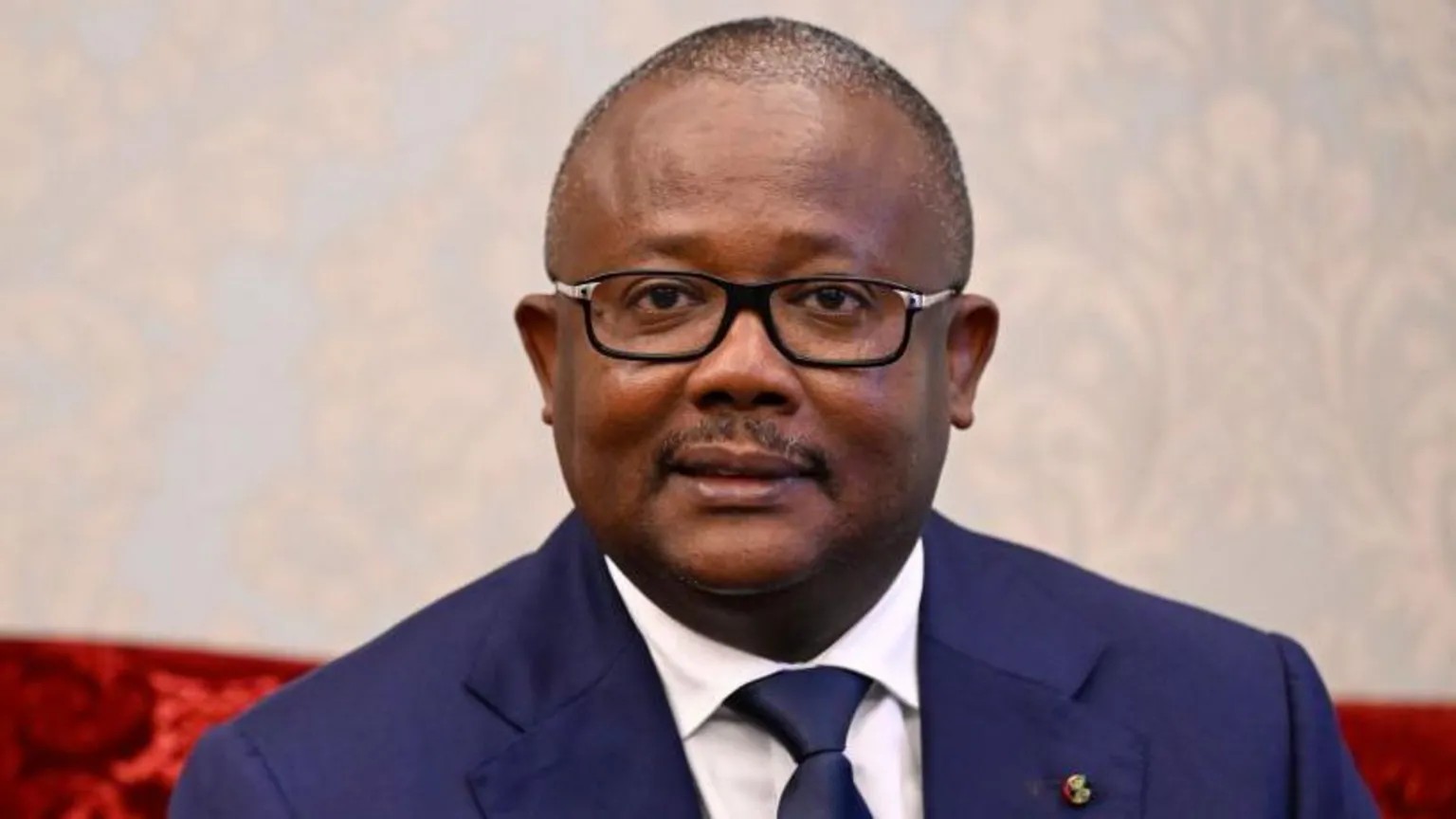
In a dramatic turn of events, Guinea’s junta leader, General Mamady Doumbouya, has claimed victory in the recent presidential election, receiving a staggering 86.7% of the votes, as per provisional results disclosed by the National Independent Electoral Commission. This substantial win marks a significant attempt by Doumbouya to legitimize his authority following the military coup that ousted former President Alpha Condé in September 2021.
Promising to restore stability and governance, Doumbouya's ascent to power has been punctuated by a series of contentious maneuvers, both politically and socially. The recent election has been overshadowed by accusations from civil society and opposition groups, who have denounced the electoral process as a "charade." They argue that the election lacked legitimacy due to the systematic exclusion of key rival candidates, casting a long shadow over Doumbouya's claims of democratic intent.
The Democratic Front of Guinea’s contender, Abdoulaye Yero Balde, came in a distant second, mustering a mere 6.6% of the vote, while other contenders, including Faya Lansana Millimono from the Liberal Bloc, fell far short, garnering only 2%. The overwhelming majority of votes secured by Doumbouya raises questions about the transparency and fairness of the electoral process, especially in light of allegations of electoral fraud, including ballot stuffing and intimidation of voters and poll observers.
Adding to the scrutiny, the internet monitoring group NetBlocks reported that access to key social media platforms including TikTok, YouTube, and Facebook was restricted on the eve of the announcement of the results. Critics have interpreted these actions as a deliberate attempt by the junta to suppress dissent and control the narrative surrounding the election. Neither the ruling party nor the government has publicly addressed these restrictions, further fueling suspicions of a biased electoral environment.
Doumbouya's victory hands him a seven-year mandate. However, should the results be contested, the Supreme Court has a short window of eight days to validate them. Millimono has already voiced his concerns over the process, calling it rife with "systematic fraudulent practices" and pointing out the aggressive measures taken against any opposition voices.
Despite previously pledging to refrain from contesting elections and promising a return to civilian rule, Doumbouya has reneged on his word, positioning himself as a candidate following the passage of a new constitution that allowed for such an endeavor. This decision has galvanized opposition sentiments, further deepening political divides in a nation rich in natural resources but grappling with widespread poverty and disillusionment.
Djenabou Toure, the election’s chief official, proclaimed a voter turnout exceeding 80%, yet the National Front for the Defence of the Constitution contest this assertion, asserting that a significant portion of voters chose to boycott what they term an "electoral charade." The political landscape has been starkly impacted by the exclusion of major opposition parties like RPG Arc en Ciel and UFDG, leading to an established political structure that lacks robust competition.
Despite Doumbouya's appeal among younger voters, his administration has faced heavy criticism for stifling press freedoms, banning protests, and curtailing opposition activities. Echoing the very grievances that led to his rise against Condé—corruption, human rights abuses, and economic mismanagement—Doumbouya now stands at a crossroads, facing both widespread expectation and substantial discontent in a nation that boasts the world's largest bauxite reserves alongside plentiful iron ore, yet sees over half its population living in poverty, according to World Bank statistics.
With the future of Guinea hanging in the balance, the fallout from this election may very well define the nation’s trajectory in the coming years, as both nation and leader grapple with the consequences of a contested and fraught political landscape.


0 Comment(s)